

Showing posts with label American Chiropractors Directory - Feed. Show all posts

Thursday, May 2, 2019

5 Common Chiropractic Adjustment Techniques

Common Techniques of Chiropractors

Get the best chiropractic change, from hands-on manipulation to instrument-assisted adjusting and the drop-table technique to ease aches and discomforts.
From the founding of the chiropractic occupation in 1895 to present day, the majority of chiropractic practitioners have actually carried out modifications, such as to control the spinal column, in an effort to alleviate patients' pain and enhance joint function.

How private specialists tackle laying on hands-- or do not when using instruments rather-- varies extensively. Robert Hayden, a representative for the American Chiropractic Association, says there are about 150 strategies referenced in chiropractic doctor literature. He notes that professionals usually use more than one to tailor treatment to their clients' requirements.

Usually thought about safe, specialists advise patients to always ask about threats, such as rare major issues like a herniated disc or compression of nerves, before concurring to undergo change.

" These are five of the most frequently experienced chiropractic adjustment methods in chiropractic workplaces," Hayden says:

1. Gonstead strategy

This hands-on strategy typically involves adjusting the low back or hips as the patient rests on his side. Chiropractic practitioners use it to straighten joints, decrease pain and tightness, and increase movement. "This adjusting method is essentially universal in chiropractic education and is taught to students early in their learning process," Hayden states.

2. Activator techniqueActivator-Adjustment

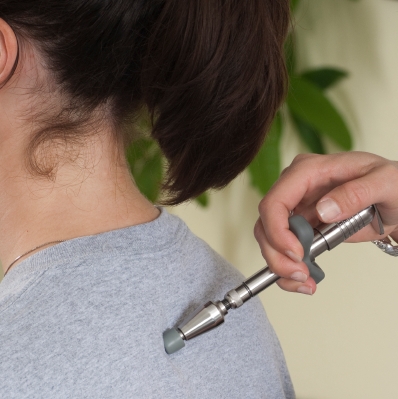
A portable adjusting instrument provides a gentle impulse into the vertebral sectors of the spinal column, or the extremities. The force feels like a light thumping experience when utilized to treat whatever from low back discomfort to specific types of headaches, like migraines. "It is really comfortable to the client and an excellent option for elders," Hayden states.

3. Flexion interruption

Likewise called Cox Technic or decompression manipulation, it's used in majority of all chiropractic centers, and a method of choice when treating disc herniations, facet joint pain, scoliosis and other conditions, Hayden says. "Patients should expect to feel a gentle extending motion," he says of the method that requires a specially created adjusting table.

4. Thompson, or drop table, technique

This involves a specially adjusted table with cushioned platforms created to drop a fraction of an inch when the chiropractic doctor uses a quick thrust to make a modification. The subtle dropping motion, which clients feel as vibration, makes it extremely comfy for many patients, Hayden says. It can be used for the spine or extremities.

5. Diversified technique

Also utilized to adjust the spinal column and extremities, this feels comparable to the Gonstead strategy. It's considered the most commonly utilized technique involving extremely precise hands-on thrusts targeted at restoring proper motion and alignment to the spine.

The following blog post 5 Common Chiropractic Adjustment Techniques was originally published to ACC


from American Chiropractors Directory - Feed http://www.americanchiropractors.org/chiropractic-adjustment/5-common-chiropractic-adjustment-techniques/

Tuesday, April 30, 2019

6 Unexpected Benefits of Chiropractic Care

Chiropractic Care Unexpected Benefits

If you believe chiropractic care is simply for your neck or your back, you need to think once again! Chiropractic treatment can benefit you in ways you may never expect. And while many people pop into their chiropractic practitioner's workplace for the very first time to eliminate pain in their back or neck, they keep returning even after the pain is gone due to the fact that of the remarkable advantages. Here are simply a few of the unforeseen benefits of Chiropractic care:

Chiropractic care can enhance your resistance.

A healthy body immune system must be able to eradicate many of the germs and infections that it comes into contact with, with just very little assistance from antibiotics or other drugs. Because the worried system controls the functions of cells, organs and tissues of the body, a misalignment can reduce the ability of the body immune system. Chiropractic care can straighten the spine, maximizing the body immune system to eliminate off intruders. Studies reveal that people who practice chiropractic upkeep have less colds than others.

Chiropractic adjustments can improve your digestion.

The nerves that go through the spinal column likewise manage your stomach and its functions. If the vertebrae in this area are poorly lined up, the nerves can begin signifying a requirement for more acid production, resulting in gas, heartburn, and acid reflux. A chiropractic change can help the nerves in the thoracic spine work correctly; completion outcome is regularly the removal of stomach problems.

Chiropractic treatment increases your energy.

It's able to do this in two methods: by lowering tension in the spine and by releasing the nerves to work more effectively. Sometimes we've ached and tense for so long that we do not even notice it. Discomfort becomes regular to us. As our bodies have problem with muscle aches and discomforts and an ineffective nerve system, we find ourselves feeling diminished and tired. Chiropractic changes remove all the pressure, releasing the body to run as it was developed to.

Chiropractic may be able to reduce your high blood pressure.

A research study performed by WebMD concluded that a chiropractic modification that particularly targets the nerves in the upper neck is as reliable as taking a double dosage of high blood pressure medications. This specific manipulation is described in chiropractic circles as the "Atlas modification," and is known to have stabilizing results on high blood pressure.

Chiropractic care can help you breathe better.

The lungs are similar to every other part of the body in that they rely on nerve function to take a trip unobstructed from the brain to the spiral cable. A misalignment in the thoracic and mid-cervical areas of the spinal column can cause lung abnormalities like asthma. Remedying subluxations can assist lower inflammation in the lungs and increase our capability to breathe effectively.

Chiropractic treatment can help in a much healthier pregnancy and may even have the ability to make delivery easier.

During pregnancy a woman's body goes through many substantial changes that affect the worried system's function. Ligaments in the pelvic area loosen to allow giving birth; at the exact same time, weight boost in a female's core can result in an instability that puts increased pressure on an expectant mom's spinal column. Regular chiropractic care throughout pregnancy can assist guarantee a much healthier mother and child, as infants born to mothers who visit their chiropractic doctors establish in a much healthier environment than those who do not.

As you can see, there are many other reasons to go to a chiropractor besides relief from neck and back pain. Chiropractic care is a safe, natural way to help the body learn how to heal itself. Chiropractic treatment isn't so much a method of repairing physical problems as it is a method of allowing your body to perform the healing it already understands how to do if it's offered the care and respect it requires.

6 Unexpected Benefits of Chiropractic Care Find more on: AmericanChiro


from American Chiropractors Directory - Feed http://www.americanchiropractors.org/chiropractic-adjustment/6-unexpected-benefits-of-chiropractic-care/

Wednesday, February 27, 2019

Your smartphone could be causing your neck pain

Your smartphone could be causing your neck pain

Do you ever ask yourself why your neck is so stiff, or why you have that nagging headache that doesn’t seem to want to go away? Neck pain is a common complaint for Canadians that can range from mildly inconvenient to completely debilitating. You’re probably aware that poor posture, hunching over a computer, or falling asleep on the sofa can cause your neck pain. But did you know your smartphone might be to blame?

How prolonged use can cause strain

According to a recent poll by Forum Research, more than a quarter of Canadians use a mobile device at least two hours a day.1 Over the span of a week, that’s 14 hours spent texting, calling and swiping.

So what exactly is happening to your neck while you’re staring at your smartphone? It all has to do with the angle of your head. When you’re sitting or standing in a neutral position, looking forward, your head weighs between 10-12 lbs. As you begin to tilt your head forward 15 degrees, you put stress on your neck, increasing the pressure to 27 lbs. By the time you angle your head 60 degrees to stare at your smartphone, the pressure equates to a whopping 60 lbs. That’s a lot of strain on your neck and spine!

Tips to relieve pain

What can you do to protect your spine and relieve neck pain? We know you can’t completely disconnect from your smartphones – many of us use our devices for work, to stay connected with distant friends and family, and as a source of entertainment after a long day. But there are small changes you can make to reduce the strain over time.

Dr. Sean Lamasz, DC, recommends the following tips to manage “Text Neck:”2

  1. Lift your phone up to eye level

“A simple way to help prevent neck pain associated with these devices is to avoid bending your neck forward,” advises Dr. Lamasz. “Looking at your phone while sitting at your desk? Lean on your elbows, bringing your phone to eye level, allowing you to keep your neck in its neutral position.”

  1. Take a break

Dr. Lamasz suggests implementing the 20-20-20 rule. For every 20 minutes on your mobile device, take a 20-second break and look 20 feet ahead, which will neutralize your spine.

  1. Stretch it out

If you’re looking for something you can do to instantly relieve neck pain, try these eight simple stretches:

Illustration of a woman performing 8 neck stretches

SOURCE: www.drseanlamasz.com/blog/2019/2/14/text-neck

Your chiropractor can help

These stretches are often best practiced in combination with manual therapy. Your chiropractor will recommend a course of treatment specific to you which may include spinal adjustments, joint mobilization, muscle release techniques, muscle stimulation, therapeutic exercises, and lifestyle advice.

1Powers, Neil. “Half of Young Canadian Adults Spend Two or More Hours per Day on Their Cellphones.” Financial Post, 26 Feb. 2018, business.financialpost.com/telecom/half-of-young-canadian-adults-spend-two-or-more-hours-per-day-on-their-cellphones.
2Lamasz, Sean. “8 Easy Stretches to Manage ‘Text Neck.’” Dr. Sean Lamasz, Dr. Sean Lamasz, 14 Feb. 2019, www.drseanlamasz.com/blog/2019/2/14/text-neck.

The post Your smartphone could be causing your neck pain appeared first on Canadian Chiropractic Association (CCA) - Association chiropratique canadienne.

Your smartphone could be causing your neck pain was first seen on AmericanChiro


from American Chiropractors Directory - Feed http://www.americanchiropractors.org/chiro/your-smartphone-could-be-causing-your-neck-pain/

Monday, February 25, 2019

Avoiding Back Pain while Shoveling and stretches for when you are done.

Full Up Your Cup

If you are the type of person who gives until their cup is empty, this is the video for you. We want you to be able to give back to others, but first you need to invest in your health.


The post Full Up Your Cup appeared first on TrueVine Chiro.

Full Up Your Cup was originally seen on AmericanChiro


from American Chiropractors Directory - Feed http://www.americanchiropractors.org/chiro/full-up-your-cup/

Friday, February 15, 2019

What to Expect From Your First Chiropractic Visit

What to Expect From Your First Chiropractic Visit

Originally published: April 2016

It is common to have questions and even trepidations before your first visit to any new healthcare provider. Luckily, chiropractors know that new patients may need extra time to discuss their questions or concerns. You can play a role in your own chiropractic care before your first visit. An effective way to be involved in your own healthcare is to learn about what you can expect from visit #1.

Duration of visit

Depending on the injury or condition for which you are being treated, initial visits can last from 45 to 60 minutes. Subsequent visits will likely be shorter, but the first visit aims to start building the therapeutic relationship, identifying the cause of the problem and discussing a proposed plan of management. As MSK experts, chiropractors are extensively trained to assess, diagnose, manage and prevent reoccurrence of MSK conditions while specifically addressing your needs and goals. Make sure you communicate your needs and goals to your chiropractor.

Health history

As mentioned, your first appointment includes a comprehensive assessment to help determine the cause of the problem and how to treat it. To do so, expect that the history-taking portion of the visit may include questions about the following areas of your health1:

  • Personal and family medical history
  • Major illnesses you have experienced
  • Surgeries or operations you have had
  • Medications you are taking
  • A description of your area(s) of concern
  • A description of the general state of your health
  • The steps you have taken to manage your condition
  • Your diet and exercise
  • Your sleeping habits
  • Your daily activities
  • Your work routine
  • Your stress level
  • Your home life

Typically, patients can expect a chiropractor to go through a more diagnostic process during the initial visit. However, this may be different from person to person depending on the nature of the injury and personal history.

Maximizing the benefits

Building a therapeutic relationship with a new practitioner can take some time, but investing in good communication at the outset can help you maximize the benefit of your chiropractic treatment. Your chiropractor will be happy to answer questions, address concerns and explain different options to you. This may include preventative strategies and changes in lifestyle practices.

After the appointment

You may feel some slight discomfort or fatigue after your visit, but it should resolve quickly. After your visit, if you have additional questions or concerns, simply contact the office or write them down to be discussed at a subsequent visit.

Source:

1BC Chiropractic Association – First Visit (https://www.bcchiro.com/chiropractors-and-you/your-first-chiropractic-visit/)

The post What to Expect From Your First Chiropractic Visit appeared first on Canadian Chiropractic Association (CCA) - Association chiropratique canadienne.

What to Expect From Your First Chiropractic Visit is available on ACC Blog


from American Chiropractors Directory - Feed http://www.americanchiropractors.org/chiro/what-to-expect-from-your-first-chiropractic-visit/

Wednesday, January 30, 2019

High- and Low-Impact Activities for Everyone

High- and Low-Impact Activities for Everyone

iStock_84431747_webIt is no secret that at the Canadian Chiropractic Association (CCA) we often promote the benefits of regular physical activity as a way to stay healthy and happy. In fact, the CCA thinks it’s so important that we’ve created a free app: Straighten Up Canada! The app is currently available for download via Apple Store, Google Play and Blackberry World. Featuring easy-to-follow exercises, it helps to improve your posture and allows you to stay active during your day!

Investing time to do activities or sports that you enjoy is key to healthy aging and an active lifestyle. Being physically active is often a good way to prevent and manage musculoskeletal (MSK) injuries as well as helping maintain strength and mobility. Varying your routine between high- and low-impact activities is a great way to modify your workouts and challenge the body. We’ve outlined some great suggestions for both so you can get up and get moving!

High Impact

High-impact exercise is typically described as an (often aerobic) activity where both feet leave the ground at the same time1. Often, high-impact activities may include exercise classes which involve jumping, leaping, or jogging in place. Doing high-impact exercise can put you at greater risk of injury if your body is not prepared, especially if you’re just starting out. Be cautious and adapt to a lower impact version of the activity if in doubt. Otherwise, before starting high-impact exercises make sure you have warmed-up.

Good examples of high-impact exercises are:

  • Jumping jacks
  • Jumping rope
  • Running or jogging on a treadmill (or outdoors)
  • Performing plyometric exercises

High-impact exercises tend to be more intense and expend more energy, so it’s important that if you’re doing high-impact exercises that you’re well-prepared. For some, high-impact exercises are not appropriate: they may increase the risk of injury, commonly to the ankles, knees, hips, and even the back. That being said, high-impact exercises can have a lot of great benefits too2:

  • Improves bone density
  • Increases an individual’s heart rate more quickly, thereby burning more calories
  • Improves a person’s stability, balance, and coordination
  • Strengthens the heart and lungs

Low Impact3

Low-impact exercise tends to be less jarring on the body and joints, and less intense overall. According to the American Council on Exercise, keeping at least one foot on the ground at all times also reduces your risk of musculoskeletal injury. Some examples include4:

  • Working out on an elliptical machine
  • Low-impact aerobics
  • Using a rowing machine
  • Home exercise
  • Walking
  • Dancing
  • Cycling
  • Swimming
  • Nordic walking

It’s important to realize that low impact doesn’t mean low intensity (unless purposely designed to be so) because you can still get an intense workout keeping both feet on the ground. Low-impact exercises are great for beginners, people with arthritis or osteoporosis, older adults, individuals who are obese, pregnant women, and people with bone, joint, or connective tissue injuries.

Whichever form of physical activity you choose, make sure you do it safely. Talk to your chiropractor if you have any questions.


References

1Amy Gonsalves, “High Impact versus low impact.” Diabetes Outside blog. April 19, 2011. https://blog.diabetesoutside.com/?p=1060

2Paige Waehner, “High Impact Exercise—Is High Impact Exercise Right for You?” VeryWell.com. May 2, 2016. https://www.verywell.com/is-high-impact-exercise-right-for-you-1230821

3Nicole Nichols, “low impact vs. high impact exercise: Which is right for you?” SparkPeople.com. April 14, 2010. https://www.sparkpeople.com/blog/blog.asp?post=fitness_defined_lowimpact_and_highimpact_exercises

4NHS, “Easy exercises.” NHS Choices. Page last reviewed: 01/03/2016. https://www.nhs.uk/Livewell/fitness/Pages/Lowimpact.aspx

High- and Low-Impact Activities for Everyone Read more on: http://www.americanchiropractors.org/


from American Chiropractors Directory - Feed http://www.americanchiropractors.org/chiro/high-and-low-impact-activities-for-everyone/

Thursday, January 24, 2019

4 Tips to Quit Smoking in the New Year

4 Tips to Quit Smoking in the New Year

iStock_000017458580_Medium_quit smoking

You may have heard the expression “New Year, new me”. The start of a New Year is an opportune time to reflect on our health and determine what steps we could take today to improve it for years to come. Quitting smoking remains one of the top resolutions people commit to every year. Yet, for many, making this important change to their lifestyle can prove challenging. Starting with the right mindset can be helpful.

It is well known that smoking can have serious impacts on your health, including your MSK health. If you’re thinking about quitting smoking in 2019, we have a few tips to help you.

Try these 4 tips to get started1:

  1. Get Ready

    Being in the right mindset is the first step. Start with getting organized so you are ready to succeed. Here are some pointers:

  • Set a quit date.
  • Change your environment where possible, and remove any triggers that may lead to a relapse.
  • Reflect on your past attempts to quit. Think about what went well and what did not.
  • Once you manage to stop, avoid temptations. Even one puff can be too much.


  1. Seek Support

    Studies have shown that you have a better chance of being successful if you have help. You can get support in many ways:

  • Tell your family, friends, and co-workers about wanting to quit and ask for their support. That could include not smoking around you or hiding cigarettes away from sight.
  • Talk to your healthcare provider (e.g., chiropractor) about strategies to try.
  • Investigate the opportunities for individual, group, or telephone counseling. Interestingly, counseling doubles your chances of success.
  • Call your local health department for information about programs available in your area.
  • Free telephone counseling is also available at 1-800-QUIT-NOW.


  1. Change Your Routine

    Changing your routine is a great way to shift your attention from old habits towards developing new ones. Below are a few healthy habits you can try:

  • Manage your stress. Take action to reduce your stress by introducing new coping strategies in your routine. These could include taking a warm bath, exercising, or reading.
  • Plan something enjoyable to do every day.
  • Drink plenty of water.


  1. Be Prepared for a Challenge

    It is not uncommon for people to struggle when trying to quit smoking, and even start again after a certain period. Most relapses occur within the first 3 months after quitting. Don’t be discouraged. Remember, most people try several times before they finally quit. Certain situations can act as triggers, and should be noted. For example, presence of alcohol or other smokers, low mood or increased stress can augment your likelihood of relapse. Being aware of these can help you manage the situation and find strategies to avoid temptation.If you are having problems with any of these situations, seek support. For more information on quitting, call 1-800-QUIT-NOW or visit www.smokefree.gov

References:
1https://www.cdc.gov/tobacco/quit_smoking/how_to_quit/you_can_quit/five_keys/
2Stead, L. F., Buitrago, D., Preciado, N., Sanchez, G., Hartmann-Boyce, J., & Lancaster, T. (2013). Physician advice for smoking cessation. Cochrane Database Syst Rev, 5(5).Stead, L. F., & Lancaster, T. (2012). Combined pharmacotherapy and behavioural interventions for smoking cessation. Cochrane Database Syst Rev, 10(10).
3Civljak, M., Stead, L. F., Hartmann-Boyce, J., Sheikh, A., & Car, J. (2013). Internet-based interventions for smoking cessation. Cochrane Database Syst Rev, 7.

The post 4 Tips to Quit Smoking in the New Year was first published to ACC Blog


from American Chiropractors Directory - Feed http://www.americanchiropractors.org/chiro/4-tips-to-quit-smoking-in-the-new-year/

Thursday, January 17, 2019

When is back pain serious?

I had a new patient in here last week asking just this question, “When is back pain serious?” Back pain will affect most adults at some point in their lives. Since it can interfere with the activities you love so much, it’s helpful to know when back pain is serious and when it is not.

First question, how long has your back pain been there? Any back pain that has bothered you for more than a couple weeks probably isn’t going to improve on it’s own.

Secondly, does your back pain travel anywhere? Does it radiate down your arms or legs? This gives us very helpful clues diagnosing where the pain is coming from. If the pain has a neuritic quality and is radiating down the front of your thigh, there is a good chance it is coming from the L3-L4 disc, back of the thigh, we look at the L5-S1 disc. There can be lots of other explanations, so please use caution when trying to diagnose things on the internet. Leave that part to a chiropractor.

Has chiropractic care helped your back pain resolve? If someone is starting to see improvement over time, we can guess that will most likely continue. Most insurance companies require a trial of conservative care before they will pay for MRI’s. In my office, we tend to use a six week standard of care. If we aren’t getting significant results and your back pain isn’t starting to resolve within six weeks of complying fully to my treatment plan, I tend to worry if there is something more serious going on. In those scenarios, we refer for MRI’s or CT scans depending on what we are suspecting we will see.

The bottom line is that if back pain is interfering with you doing what you love, you need to see a chiropractor to resolve it. Chiropractic care is the #1 choice for resolving back pain. Chiropractors get the best results with back pain of any health professional around. If you would like our help improving your health and getting you back to doing what you love, please call our office today at 763-553-0387

The post When is back pain serious? appeared first on Active Family Chiropractic Blog.

When is back pain serious? is available on ACC Blog


from American Chiropractors Directory - Feed http://www.americanchiropractors.org/chiro/when-is-back-pain-serious/

Thursday, January 3, 2019

9 Tips to Stay Active during the Winter Months

9 Tips to Stay Active during the Winter Months

When it gets cold outside, we tend to spend more time indoors doing sedentary activities and it can be difficult to stay active. It’s helpful to plan ahead and set some time aside in your schedule a few days a week to make sure you’re getting the activity you need.

To have health benefits from exercise, adults need a total of 2.5 hours of activity spread across the week, in bouts of ten minutes or more. These activities need to be moderate-to-vigorous intensity aerobic activities. Moderate-intensity physical activities include brisk walking or bike riding. Generally, you know your activity is moderate-intensity if you sweat a little and breathe harder than when you’re moving about day-to-day. Vigorous-intensity activities include jogging or cross-country skiing, and you’re likely to find yourself sweating and feeling out of breath.1

Here are a few tips to help keep you motivated to stay active during the winter months2:

  • Plan activities ahead. When activities are in your calendar, you’re less likely to forget them. Preparedness also helps set good habits.
  • Find a fun local activity, like snow shoeing, skiing, skating, or cross-country skiing.
  • Dress in layers. Insulate your body. When you can keep your body warm, it’s easier to continue being active outside.
  • Use your daylight hours. It’s easier to stay outside while it’s still light out. It’s easy to miss out on activities when you start them too late in the day.
  • Find indoor activities at your local community centre. This could be aerobics classes, badminton, basketball, or yoga classes.
  • Climb stairs. Deliberately add more steps to your day. Consider going up and down a flight in your home, the mall, or an office building more than once over the course of your regular daily activities. As little as five minutes can make a huge difference for your health.
  • Visit a library to find more motivation. There are plenty of free exercise DVDs you can borrow, including dance, step, aerobics, or Pilates. You can use the return date as a deadline to pick up another one!
  • Sign up for a fun run. You can often find non-competitive “fun runs” in your community that are usually between 5 and 10 kilometers. You can invite friends and family to join in!
  • Find an activity buddy. Find someone willing to commit to being active as often as you are, and set a plan. That could be planning to meet for morning walks or afternoon workouts. Having a friend keeps you accountable.

For help on setting activity goals based on your specific musculoskeletal needs, you can always ask your chiropractor about what activities are right for you.

Whatever your activity level is, remember to stay hydrated. It is easy to forget to drink water when it’s cold out, but your body needs just as much hydration in a snowstorm as it does in a heatwave.2

Most importantly, stay motivated. Revisit your goals (or look for tips to set new ones) to make sure you’re still on track. Plan ahead and make sure you can envision your goal as you look ahead towards the finish line.

Here’s to staying active in the new year!


References

  1. Canadian Physical Activity Guidelines. 1st ed. CSEP; 2016. Available at: http://www.csep.ca/CMFIles/Guidelines/CSEP_PAGuidelines_adults_en.pdf. Accessed November 7, 2016.
  1. Heart and Stroke Foundation of Canada. 11 ways to stay active in winter. 2009. Heartandstroke.ca. Available at: http://www.heartandstroke.com/site/apps/nlnet/content2.aspx?c=ikIQLcMWJtE&b=4832209&ct=7596299. Accessed November 7, 2016.

9 Tips to Stay Active during the Winter Months was first published to American Chiropractors Blog


from American Chiropractors Directory - Feed http://www.americanchiropractors.org/chiro/9-tips-to-stay-active-during-the-winter-months/

Tuesday, December 25, 2018

Chiropractic Care in Canada

Chiropractic Care in Canada

Guest Post from Dr David Peeace


With over 8,000 practicing chiropractors in Canada who help thousands of Canadians live pain-free lives every day, now is an opportune moment to celebrate being a chiropractor. Chiropractors are experts in the musculoskeletal (MSK) system, with rigorous academic and practical education earning them a Doctor of Chiropractic (DC). As chair of the Canadian Chiropractic Association’s Board, and as a Doctor of Chiropractic, I want to share with you some of the great strides our profession has made – and where we are continuing to grow!

In 2018, I am proud to report that the evidence that informs our practice is flourishing. One of the most compelling pieces of research that came out earlier this year, was Jan Hartvigsen’s publication in The Lancet on prevention and treatment of low back pain. It’sa must read.

The Canadian Chiropractic Research Foundation (CCRF) is also entering an exciting new era. The CCRF will be funding National Research Priorities that were developed in collaboration with leaders across the country and CCRF researchers.

The National Research Priorities were designed to target chiropractic research where Canadians need it most. In areas where our care can have the greatest impact on Canadians’ health. Patient-centred care that is supported by research is integral to the Canadian chiropractic profession.

The CCA believes in strong regulation and supports the governing authority’s mandate to protect public interest through effective enforcement of those standards. In addition to regulation, the Canadian Chiropractic Guidelines Initiative (CCGI) has been an amazing force in transforming the culture of the chiropractic profession to one that is guided by evidence-informed practice.

As a national professional association, we take great effort to support members’ professional practice. Being part of the chiropractic community plays a role in public health, a role that we here at the CCA take very seriously. Our national position statements are written and revised with public health at the center of what we do.

For example, the CCA recognizes that vaccination and immunization are established public health practices in the prevention of infectious diseases. And that vaccination is not within the scope of chiropractic practice. You can read a full list of position statements here.

Continuously and consistently sharing these messages with our membership – and engaging in important discussions with leaders and stakeholders – will always be a large part of our national advocacy role.

While I’ve spoken a lot today about what we do, what I’m most passionate about is why we do it. Chiropractors are here to help Canadians live healthy, active, and pain-free lives. We are experts in the assessment, diagnosis, and treatment of a wide range of conditions and disorders related to the muscular, skeletal, and nervous systems.

Chiropractors are most often recognized for their expertise in resolving persistent back or neck pain and headaches or migraines that prevent patients from enjoying their everyday lives. That is why I’m proud of the work the CCA is doing, and that of my colleagues. Together, we can make Chiropractors an integral part of every Canadian’s healthcare team by 2023.

Sincerely,

Dr. David Peeace

The blog post Chiropractic Care in Canada is courtesy of http://www.americanchiropractors.org


from American Chiropractors Directory - Feed http://www.americanchiropractors.org/chiro/chiropractic-care-in-canada/

Wednesday, December 19, 2018

Get to know the Canadian Chiropractic Guideline Initiative (CCGI)!

Get to know the Canadian Chiropractic Guideline Initiative (CCGI)!

What is CCGI?

The Canadian Chiropractic Guideline Initiative (CCGI) works to enhance the health of Canadians by fostering excellence in chiropractic care. Here are a few ways the initiative – made up of chiropractors and chiropractic researchers – work to meet this goal:

  • Clinical Practice Guidelines: CCGI develops, adopts and disseminates guidelines for practitioners to diagnose, manage and treat patients with musculoskeletal disorders.
  • Evidence-informed practice: these guidelines encourage chiropractors to integrate the best available evidence with clinical expertise and patient values.

CCGI works closely with chiropractors across Canada, provincial associations, regulatory bodies, and educational institutions.

How does it help me?

CCGI helps to ensure Canadians receive effective and consistent care and has developed many tools designed specifically for patients. These include:

Ask your chiropractor to explain how these resources may apply to you and for advice on helpful resources!

What’s on the horizon for CCGI?

The organization is in the early stages of developing three guideline implementation toolkits for chiropractors and patients regarding the clinical and self-management of (1) lumbar spinal stenosis (a narrowing of the spine which can lead to numbness, tingling, or weakness in the legs), (2) persistent headache associated with neck pain, and (3) concussion and persistent symptoms. All of which will help Canadian’s manage their pain.

The post Get to know the Canadian Chiropractic Guideline Initiative (CCGI)! See more on: http://americanchiropractors.org


from American Chiropractors Directory - Feed http://www.americanchiropractors.org/chiro/get-to-know-the-canadian-chiropractic-guideline-initiative-ccgi/

Tuesday, November 27, 2018

Canada’s Low Back Pain Epidemic

Canada’s Low Back Pain Epidemic

Chiropractic treatment for low back pain

Involuntary spasms in your lower back? A dull throbbing ache? Shooting pain down your leg? You are most likely suffering from low back pain (LBP). If you’ve never had low back pain, chances are you will at some point in your life. Just check these statistics:

  • In six-month period, five in 10 Canadians suffered low back pain1
  • Up to 85% of working people can expect to experience low back pain during their lifetime2
  • In Canada, the low back pain-related estimate of the medical costs ranges between 6 and 12 billion dollars annually3

Low-Back-PainLow Back Pain Causes

Low back pain is a complex condition with multiple contributors to pain, including physical, social and psychological factors. Lifestyle factors, such as obesity and being sedentary are associated with the occurrence of low back pain as well.
Our backs play a supportive role for our bodies – at rest and in motion. Extra bodyweight puts greater demand on our spines and other joints. Research shows that a higher Body Mass Index (BMI) increases the risk of suffering low back pain. With growing rates of obesity , Canadians are increasing their chances of developing low back pain.

In addition, we are more sedentary than ever before. In industrialized countries, 75% of workers sit for long periods of time. Prolonged sitting may negatively affect your muscles and joints and lead to deconditioning (decline in physical functioning), fatigue and stress on the spinal discs causing pain in the lower back. In an effort to combat sitting, newer products such as standing desks, have been increasing in popularity. However, recent research produced at the University of Waterloo also found that standing desks may lead to lower back pain as well. The key take away message as discussed by Daniel Viggiani, lead author, is that regardless of whether you are sitting or standing at work, make sure to move around and shift your posture often.

Responses to the Low Back Pain Epidemic

Low back pain has also been one of the key drivers for opioid prescription. With increasing awareness of its risks, limited efficacy and potential for misuse, emerging evidence has suggested that medication should not be the mainstay in the treatment of low back pain. Instead, recent guidelines recommend self-management, manual therapy, physical activity and psychological therapies. There is a shift in placing less emphasis on pharmacological and surgical interventions in the care of low back pain.

Canadian chiropractors are trained to assess and diagnose back pain, as well as offer comprehensive treatment plans. Typically, plans are holistic. A chiropractor addresses all contributing factors of low back pain, such as joint dysfunction, injury, ergonomics, exercise and overall health and then develops a customized program to relieve pain, increase mobility and get you back on your feet. Chiropractic treatment is a drugless and non-invasive treatment option.

How Chiropractic Expertise Can Help Low Back Pain

Chiropractic treatment relieves low back pain using effective clinical tools like manipulation, mobilization, soft tissue therapy, exercise, patient education, modalities (i.e. ultrasound, laser) and rehabilitation. Extensively trained in spinal manipulative therapy (SMT), chiropractors are proficient in providing specialized care which has been proven effective in reducing pain, improving function, and decreasing the chances of low back pain becoming a chronic condition.

Click here to read more about how chiropractic expertise in treating low back pain can ease pain and lower your risk of recurrence.

Canadian chiropractors can provide education on your spine and posture, as well as create a personalized treatment plan including back exercises and ergonomic solutions for your workstation.

Find a chiropractor today and join the other 4.5 million Canadians visiting their chiropractor each year!

Find out about insurance coverage for chiropractic treatment here.


[1] GBD 2015 Disease and Injury Incidence and Prevalence Collaborators. Global, regional, and national incidence, prevalence, and years lived with disability for 310 diseases and injuries, 1990-2015: a systematic analysis for the Global Burden of Disease Study 2015. Lancet. 2016 Oct 8;388(10053):1545-1602.

[2] Hoy D, Bain C, Williams G, March L, Brooks P, Blyth F, Woolf A, Vos T, Buchbinder R. A systematic review of the global prevalence of low back pain. Arthritis Rheum. 2012 Jun;64(6):2028-37. doi: 10.1002/art.34347. Epub 2012 Jan 9. Review.

[3] Church J, Saunders D, Wanke M, Pong R, Spooner C, Dorgan M. Citizen participation in health decision-making: past experience and future prospects. J  Public Health Policy. 2002;23(1):12-32. Review.

[4] Seaman, David R., Body mass index and musculoskeletal pain: is there a connection? Chiropractic & Manual Therapies 2013, 21:15

[5] Laurie K. Twells, Deborah M. Gregory, Jacinta Reddigan, William K. Midodzi, Current and predicted prevalence of obesity in Canada: a trend analysis, CMAJ, Vol. 2, No. 1, 2014

[6] Angela Maria Lis, Katia M. Black, Hayley Korn, Margareta Nordin, Association between sitting and occupational LBP, Eur Spine J. Feb 2007; 16(2): 283–298.

[7] https://uwaterloo.ca/news/news/standing-desks-may-lead-lower-back-pain

[8] Borgundvaag B, McLeod S, Khuu W, Varner C, Tadrous M, Gomes T. Opioid prescribing and adverse events in opioid-naive patients treated by emergency physicians versus family physicians: a population-based cohort study. CMAJ Open.  2018 Mar 1;6(1):E110-E117.

[9] Traeger AC, Buchbinder R, Harris IA, Clavisi OM, Maher CG. Avoid routinely prescribing medicines for non-specific low back pain. Br J Sports Med. 2018 Mar 7.

[10] Bussières AE, Stewart G, Al-Zoubi F, Decina P, Descarreaux M, Haskett D, Hincapié C, Pagé I, Passmore S, Srbely J, Stupar M, Weisberg J, Ornelas J. Spinal Manipulative Therapy and Other Conservative Treatments for Low Back Pain: A Guideline From the Canadian Chiropractic Guideline Initiative. J Manipulative Physiol Ther. 2018 Mar 29.

[11] Almeida M, Saragiotto B, Richards B, Maher CG. Primary care management of non-specific low back pain: key messages from recent clinical guidelines. Med J Aust. 2018 Apr 2;208(6):272-275.

[12]  Foster NE, Anema JR, Cherkin D, Chou R, Cohen SP, Gross DP, Ferreira PH, Fritz JM, Koes BW, Peul W, Turner JA, Maher CG; Lancet Low Back Pain Series Working Group. Prevention and treatment of low back pain: evidence, challenges, and promising directions. Lancet. 2018 Mar 20.

The article Canada’s Low Back Pain Epidemic Find more on: http://www.americanchiropractors.org


from American Chiropractors Directory - Feed http://www.americanchiropractors.org/chiro/canadas-low-back-pain-epidemic/

Thursday, November 8, 2018

Warm up and cool down stretches for golfers

I have had two requests already this morning for warm up and cool down stretches for golfers. A good video sess on warm up and cool down stretches for golfers sounds like a good way to conquer my writers block. By the end of these videos, you will clearly see why being a chiropractor was my calling and not an actress or hairstylist. In fact, after the freeze frame in the first one with the constipated face, it will also be clear I don’t know how to edit videos at all. That’s ok. In the name of all of you feeling good, I will sacrifice my dignity once again!!

It isn’t hard to understand why 80% of golfers have back pain, especially this time of year. When you add up the swings you take during your round including your shots and all of your practice swings, it ends of being a lot of one directional repetition. The golfers that I see tend to be really limber in one direction and very stiff in the other. There are a few simple steps you can take to minimizing your chances of injury with warm up and cool down stretches for golfers. This will help you feel good while doing the sport you love.

Tip 1-Warm your body up BEFORE you golf. This does NOT mean stretch. A lot of us rush to the course after work, hop out of our car hoping not to be late and run up to the first tee to take our swings.
Next time you golf, try this. Start with spinal twists-spread your feet shoulder with apart, interlace your fingers, point your hips forward and rotate your shoulders INDEPENDENTLY of your hips. This will help loosen up your spine.

https://photos.google.com/share/AF1QipPz1_eldYOIXtJXiNd8Nr8-IIAslT2Ok_L5hb8KinKPPxhNqtjXpEs3KO0cn7s6uw/photo/AF1QipMCVyd_zQSA0j7xVmtKq54feFirHhLNVqs-ST82?key=dkV1TFRsN0dDZjFZNDdyU0VjQjlHcUJEdEtTZlRR

Second–Try some walking lunges. This will help loosen up your hips and start firing your muscles.

https://photos.google.com/share/AF1QipMPyTA3Ca2ttRycyyz0VisiajxtlHkxUwgSz0VMl3febikO9_I1sa688SirgRR-fA?key=OUpmSGxSdjJLc2RxbHg4NlhmaE8wR1RTdk40SUpR

Third- Activate your hip flexors with some high knee marches.

http://https://photos.google.com/share/AF1QipP2qZmjlCVz1MJ0oaohpjhhE78VuqfjbMby-Edx6Ym40V32qEhooCNovveg2xo0lw/photo/AF1QipMS-cWPHiHrV4rtynVAT7Ba5v40ngM8ilhml0ou?key=aVU2LVNnMmlZYnZpa3otWGkzX1RKZy0xTUVrVkJn

Lastly, try some standing crunches to activate your abs. While your standing, grip your finger tips LOOSELY behind your head. Crunch your opposite elbow to your opposite hip. Do about 15 of these on each side. ( Sorry, my expert videographer Sue went into a massage before I could make this video. You can figure out how to do standing crunches though. If not standing, lie on your back. Now you are ready to golf!

Tip 2-While you are out on the course, take a practice swing in the opposite direction before each hole. This will counter the effects of always swinging the same way. More and more we are seeing the pros on the tour do this. It will help keep you limber in BOTH directions.

Tip 3-Stretch yourself out after you golf before your body has a chance to cool down. Try a gentle forward fold while dropping your head down to stretch your back and hamstrings.

Make sure you stretch your hip flexors out doing a lunge as well and holding it. (Also no camera woman for this one, sorry!)

Any spinal rotation stretch you can do would help too.

(I was pretty much sick of taking these pics of myself by this point…couldn’t help it.)

Most people don’t hold their stretches long enough. Stay in your stretch for a minimum of 30 seconds. Also, keep in mind, the first point of injury is wrestling the golf bag out of the trunk.

If you have any questions on how to customize a stretching plan for yourself and your sport, call me. I’m happy to help!

The post Warm up and cool down stretches for golfers appeared first on Active Family Chiropractic Blog.

Warm up and cool down stretches for golfers Read more on: www.americanchiropractors.org


from American Chiropractors Directory - Feed http://www.americanchiropractors.org/chiro/warm-up-and-cool-down-stretches-for-golfers/

2018 CCA National Convention & Tradeshow

2018 CCA National Convention & Tradeshow

Hello and welcome,

Wow! Another National Convention and Tradeshow has come and gone. It seems like just yesterday that we were wrapping up NCT’15.

Thank you to all that attended NCT’18. It is with your enthusiasm that we had an even bigger and better NCT, and we look forward to continuing to grow in Halifax in 2020. The CCA National Convention & Tradeshow continues to be Canada’s largest chiropractic show, bringing together chiropractic clinicians, researchers, chiropractic stakeholders, and exhibitors.

This year, we explored the important theme of A Better Approach to Pain Management – Chiropractic Care Changes Pain. I would like to thank Dr. Carlo Ammendolia for bringing his Boot Camp Program for Lumbar Spinal Stenosis to convention. He provided attendees with hands-on skills to treat LSS, a leading cause of pain, disability, and loss of independence in people over the age of 65.

Recognizing Threatening Conditions that Mimic Common Complaints, from Dr. Brandon Steele, helped refresh participants’ knowledge in diagnosing the causes of chest pain, back pain, hip pain, arthritis and many other issues. In regards to the role chiropractors play in pain management, Dr. Jason Busse highlighted chiropractic’s unique opportunity in battling North America’s opioid crisis.

There are so many more to be highlighted, and I am very proud of the role the chiropractic community plays in helping Canadians manage their pain.

In addition to many panels, workshops, and seminars, I was thrilled with our amazing keynote speakers! Scott Stratten, president of Unmarketing, kicked off Friday night by challenging us to rethink our ideas of the digital and real world.

Esteemed chiropractor, Dr. Greg Kawchuck got us all determined to explore strategies that will extend the shelf-life of chiropractic in today’s evidence-based, integrated healthcare environment. And of course, it was an honour for me to interview Canadian Olympic Track Silver and Bronze Medal winner Andre De Grasse and his chiropractor, Dr. Alban Merepeza, about their amazing partnership.

Not only did we experience so much informative and inspiring content, but we had a lot of fun too!

Kicking off with Rock Star Karaoke at the Friday night reception has become a fun tradition of NCT. Our Denim & Diamonds gala at Calgary’s legendary Ranchman’s was a rootin’ tootin’ good time. I have to admit it was thrilling to watch colleagues ride the mechanical bull in our Born to Rodeo fundraiser to benefit the Canadian Chiropractic Research Foundation (CCRF).

Since 1976, the CCRF has been funding chiropractic research to discover the best, evidence-informed care for patients living with pain and disability caused by spinal dysfunction and disease, and our amazing community raised $26,000 at the gala!

These incredible few days would not be possible without the support of our sponsors. Thank you to our host province of Alberta who, not only showed us their Calgary hospitality but also sponsored our Denim & Diamonds gala.

Our industry truly shows its community spirit with our sponsorships from the Canadian Chiropractic Guidelines Initiative (CCGI), Canadian Memorial Chiropractic College (MMCC), and the Canadian Chiropractic Protective Association (CCPA). Vitality Depot, Rocktape, Performance Health, and Foot Levelers showed spectacular support for our industry with their respective sponsorships, and our unique partnerships with CCA Plus members, Telus Health and The Personal Group Insurance, brought in more support for the CCRF!

Last week, we brought together our extraordinary Canadian chiropractic community, as well as members of the ACA, NCA, and DCA who met to discuss the future of chiropractic care and experience our Canadian hospitality.

This weekend was a reminder of the important work we do and made me confident in our vision that chiropractors will be an integral part of every Canadian’s healthcare team by 2023.

There is so much more to say, but for now, I’ll leave you with an open invitation to join us for NCT 2020 in beautiful Halifax, Nova Scotia!

Yours in health,

Alison Dantas

The following article 2018 CCA National Convention & Tradeshow Read more on: www.americanchiropractors.org


from American Chiropractors Directory - Feed http://www.americanchiropractors.org/chiro/2018-cca-national-convention-tradeshow/

Friday, September 21, 2018

Simple Home Upgrades That Can Help Seniors Age in Place


For seniors, being able to age in place plays a critical role in staying comfortable, safe, and secure. Aging in place simply means being able to stay in your own home as you get older. It’s a simple idea that can keep you happy later in life. If you are looking for ways to comfortably age in place in your home, you should carefully consider making these important upgrades.


Be Careful in Bathrooms 


When it comes to preventing injuries at home, the one area seniors need to focus on most is the bathroom. Thousands of injuries happen in the bathroom every year. Slippery floors and elevated edges on tubs can make everyday bathing extremely risky for aging adults. If you have mobility issues, the risk can be even worse. Luckily, there are some simple fall prevention ideas that can help you improve the safety of your bathroom. These fall prevention projects could even save your life. Small adjustments, such as adding grab bars in the tub or a shower seat, can give you more stability when surfaces are slippery. Have a big tub that’s difficult to get into? Consider replacing it with a walk-in/zero-entry shower. Preventing bathroom slips is the simplest way for seniors to stay safe in their homes.


Reduce Fall Hazards Throughout Your Home


Preventing falls in bathrooms is a good first step for senior safety at home, but you need to be sure the rest of your house is safe as well. Falls account for the majority of serious injuries to seniors, and most seniors are injured when falling in their own homes. Falls can even be deadly. Take a look around your house to make sure your floors are safe for you to walk on. Carpet may be your best bet at preventing serious injuries if you do happen to fall. Be careful of any rugs you have and make sure they are tacked down securely. Also, be aware of any uneven surfaces, cords, or furniture that could trip you up when walking around. Shorter items, like stools and baskets, should be tucked away safely so you won’t trip over them.


Install a Ramp or Lift


If you have stairs around your home, they could limit your ability to get around safely. Those with mobility issues or wheelchairs should consider alternatives to steps and stairs to make life safer at home. For steps outside and ledges around your home, ramps can make getting around much faster and safer. If you’re in a wheelchair you may even be eligible for Medicare coverage for ramps. If you have larger staircases inside, a lift or elevator may be a good option to consider. Installing a chair lift or elevator in your home generally ranges from $2,545 to $6,220. But installing one of these helpful options can add value to your home and quality to your life.


Use Technology to Stay at Home 


Technology can help seniors age in place as well. For seniors living alone, or those who are at home alone for extended periods of time, an in-home monitoring system can be an easy, economical way to stay safe. Getting help quickly in the case of a fall, injury, or illness could mean the difference between life and death, and you may not be able to reach a phone in your time of need. These days, there are quite a few in-home monitoring systems to choose from. Some options may require WiFi, while others work off your cellular phone network. There are also contracts and other elements to consider. Research your options and find a system that works for you and will help you feel safer at home.


By being able to age in place, seniors can maintain their independence and control over their own life. Ensuring a safe, comfortable environment in your home can add years to your life and add joy to those years. So, make sure your home is set up so you can enjoy the best years of your life in safety, comfort, and happiness.


Photo Credit: Pixabay

The following post Simple Home Upgrades That Can Help Seniors Age in Place Find more on: http://americanchiropractors.org/


from American Chiropractors Directory - Feed http://www.americanchiropractors.org/chiro/simple-home-upgrades-that-can-help-seniors-age-in-place/

Friday, June 22, 2018

Tips for Buying a Mattress (And Sleeping Well)

The following blog post Tips for Buying a Mattress (And Sleeping Well) is courtesy of ACC


Consider the importance and value of a good night’s sleep (beyond the price tag) when you are looking for a new mattress. Your back will thank you!

Lack of sleep can have a significant impact on your quality of life, social interactions, and even your mood1. Sleep deprivation can also cause a decrease in your work productivity, the greater number of sick days used, and result in increased injury rates due to poor response time and accuracy.

A 2011 study by the British Chiropractic Association (BCA) reports that 41% of women and 36% of men claimed their back pain was exacerbated by a poor night’s sleep2. The pain can often be attributed to the firmness, size, or the offered back support of the mattress. If you’ve ever woken up with a sore neck or back, you may want to evaluate the quality of your mattress. Your mattress can play an important role in maintaining your musculoskeletal (MSK) health. Here is what to keep in mind when making a purchase.

When to replace your mattress

iStock_50438648_web

Waking up from slumber with a sore back on repeated occasions can be a sign that it is time to switch to a newer mattress. Typically, it is said that after 10 years, the bed will begin to deteriorate, which is the best time to consider buying a new one.

Current research suggests that1:

  1. Medium-firm mattresses can be beneficial for individuals with chronic mechanical low back pain and are considered more comfortable compared to soft mattresses. They also have been shown to improve sleep quality by 55% and decrease back pain by 48%.
  2. The standing posture of an individual’s spine should be similar to their sleeping posture. Since standing posture varies from individual to individual, mattresses that are custom made may be more beneficial in reducing pain.
  3. Using an adjustable bed based on individual preferences is associated with increased sleep quality.
  4. Mattresses that promote skin warming may improve sleep quality by reducing early morning awakening and enhancing deep sleep.
  5. Soft mattresses decrease excessive compressive forces on your joints, however, mattresses that are more firm help to maintain proper sleep posture as they prevent sagging of the hips.

Take time to try out the bed before you buy and see if it’s right for you. There are many options to consider when it comes to purchasing a mattress. Make sure to take the time to explore and do your research, especially if you are looking for specific features to meet your needs. A good night’s rest is important for your MSK health and ensures you can continue doing your daily activities. Consider these tips for your next mattress—your back depends on it!


References

1 Radwan A, Fess P, James D, Murphy J, Myers J, Rooney M, Taylor J, Torii A. Effect of different mattress designs on promoting sleep quality, pain reduction, and spinal alignment in adults with or without back pain; systematic review of controlled trials. Sleep Health: Journal of the National Sleep Foundation. 2015 Dec 1; 1(4):257-67. 
2 UtBritish Chiropractic Association, Mind Your Posture When Buying a Bed, https://www.chiropractic-uk.co.uk/gfx/uploads/member%20area/New%20posture%20sheets/Mind%20your%20posture%20-%20buying%20a%20bed%20-%20sleep.pdf


from American Chiropractors Directory - Feed http://www.americanchiropractors.org/chiro/tips-for-buying-a-mattress-and-sleeping-well/

Thursday, June 14, 2018

5 Stretches and Exercises for Better Posture

5 Stretches and Exercises for Better Posture was first seen on http://americanchiropractors.org

5 Stretches and Exercises for Better Posture

How many hours a day do you spend looking at a screen with your head tilted forward? Think about it. Chances are if you own a cell phone, tablet, laptop or desktop computer, you’ve spent hours viewing these devices. Other instances where you might tilt your head forward include watching television, driving and even reading a book. This constant state of having your head tilted forward causes postural alterations, often leading to faulty movement patterns, which increases the stress placed on the neck, shoulders, as well as the head.1

Upper cross syndrome is described as a muscle imbalance pattern located at the head and shoulder region.2 It is most often found in individuals who work at a desk or who sit for the majority of the day and continuously exhibit poor posture.2 The term ‘upper cross’ can be broken down into two components. ‘Upper’ simply refers to the head and neck region, as there is a lower cross syndrome for the low back and pelvic regions as well. ‘Cross’ refers to the distribution of tight or overactive muscles, which crosses with weak or underactive muscles. Primarily, tightness of the upper back muscles crosses with the tightness of chest muscles, while weakness of the neck muscles in front crosses with the weak muscles of the mid back.2 Common signs and symptoms of upper cross syndrome include forward head posture, rounding of the shoulders, hunched upper back, headaches, as well as pain in the shoulders, upper back and neck.3

The good news is that work station adjustments and appropriate exercises and stretches often improve posture and muscular coordination.1

Below are some of the following stretches and exercises that you can do to help improve your posture:

Stretches:

  • Trapezius Stretch
    • In a sitting position, slowly and with ease, draw your right ear towards your right shoulder. You may place your right hand over your head and let it rest on your left cheekbone for slightly more pressure. Hold for 20-30 seconds. Repeat on other side. Perform 3-4x throughout the day.

  • Levator Scapulae Stretch
    • Similar to the trapezius stretch, the above stretch can be modified by gently pulling your head and directing your nose to your underarm region. Hold for 20-30 seconds. Repeat on other side. Perform 3-4x throughout the day.

  • Chest Stretch (Brugger’s Position of Relief)
    • Sitting on the edge of a chair with legs slightly wider than shoulder width apart, have your palms face upwards and lift the chest up. Hold for 20-30 seconds. Perform 3-4x throughout the day.

Strengthening Exercises:

  • Chin Tucks
    • While seated, look forward and bring your head backwards, as if you were making a double chin. Make sure not to tilt your head down. Hold this for 8 seconds. Repeat 5 times and that’s one set. Perform 3-4 sets throughout the day.


  • Shoulder Blade Squeeze
    • Sitting comfortably on a chair with arms relaxed by your side, squeeze shoulder blades together without raising them. Hold for 8 seconds before releasing. Repeat 5 times and that’s one set. Perform 3-4 sets throughout the day.


In addition to these stretches and exercises, read our office ergonomics guide for further tips to optimize your work station: https://www.chiropractic.ca/wp-content/uploads/2015/05/office-ergonomics.jpg

Should you wish to pursue more information regarding upper cross syndrome or further exercise instruction, please consult with a chiropractor today!


References:

  1. Dawson-Cook, S. (2011). How’s Your Posture? American Fitness. (3), 24.
  2. Upper Crossed Syndrome. Muscleimbalancesyndromes.com. Retrieved 25 January 2017, from http://www.muscleimbalancesyndromes.com/janda-syndromes/upper-crossed-syndrome/
  3. Upper Crossed Syndrome: 4 Steps to Correct Rounded Shoulders and Hunchback Posture. (2015). Darwinian Medicine. Retrieved 25 January 2017, from http://darwinian-medicine.com/upper-crossed-syndrome-4-steps-to-correct-rounded-shoulders-and-hunchback-posture/


from American Chiropractors Directory - Feed http://www.americanchiropractors.org/chiro/5-stretches-and-exercises-for-better-posture/